
Augmented Reality Agency
As an international augmented reality agency, we develop customized solutions that seamlessly integrate digital content into the real world for industry, retail, and B2B sectors. We enhance the user experience, improve KPIs, and deliver the "wow" factor.
Start ProjectAreas of Application for Augmented Reality
AR technologies are suitable for almost all industries and commercial sectors, particularly the following:

Marketing and sales:
Immersive campaigns and out-of-home (OOH) advertising, Trade show applications, Augmented reality (AR) product demonstrations

E-commerce
Product Visualizations and Configurators for Digital Retail and Showrooms

Architecture
Virtual architecture models, BIM-to-AR solutions, and building maintenance applications

Product Development
Prototype visualization and integrated XR solutions for platforms and apps.

Industry 4.0
Optimizing production and maintenance processes by combining AR, AI, and IoT

Entertainment
Gamification of industrial products and services; XR game development
Selected references
We offer a wide range of services in the AR field. We develop apps for the industry, e-commerce, and B2B sectors, as well as marketing and sales applications. We work with international clients like these:
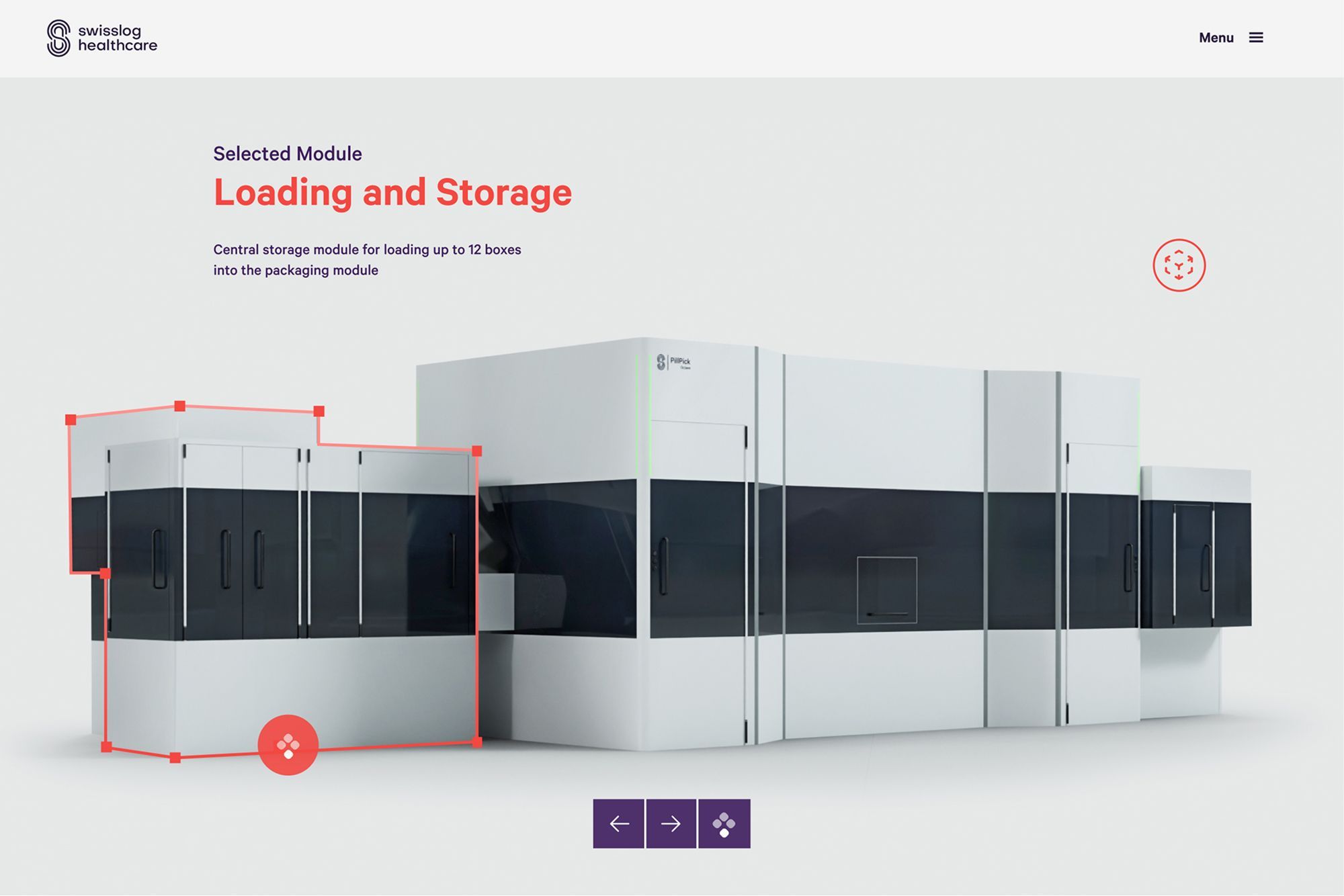
Virtual and interactive showroom for a high-tech product for iPads and the web, including augmented reality functionality.
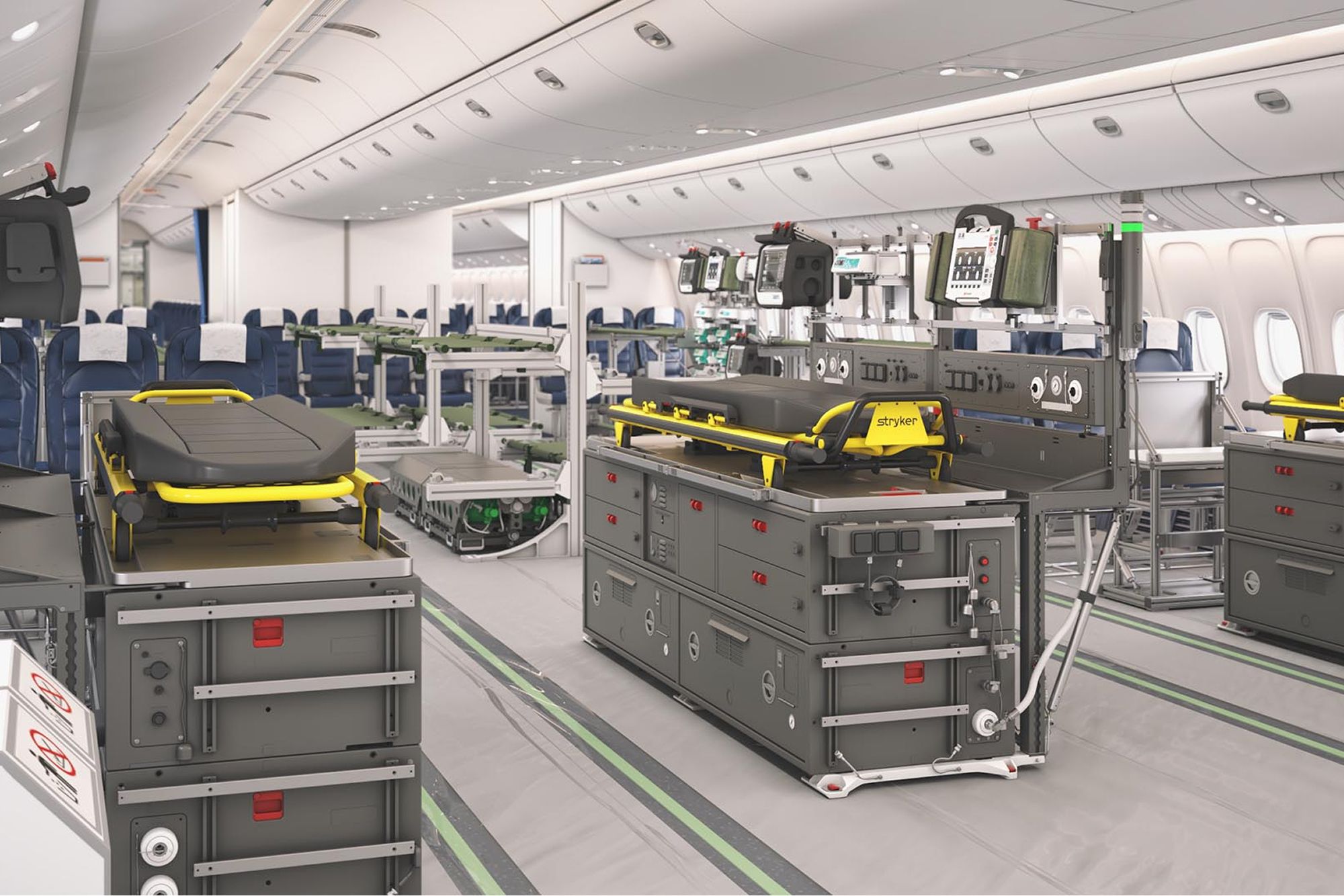
A virtual reality application with a digital twin for medical evacuations has been implemented for Lufthansa Technik and is currently being prepared for the Apple Vision Pro.
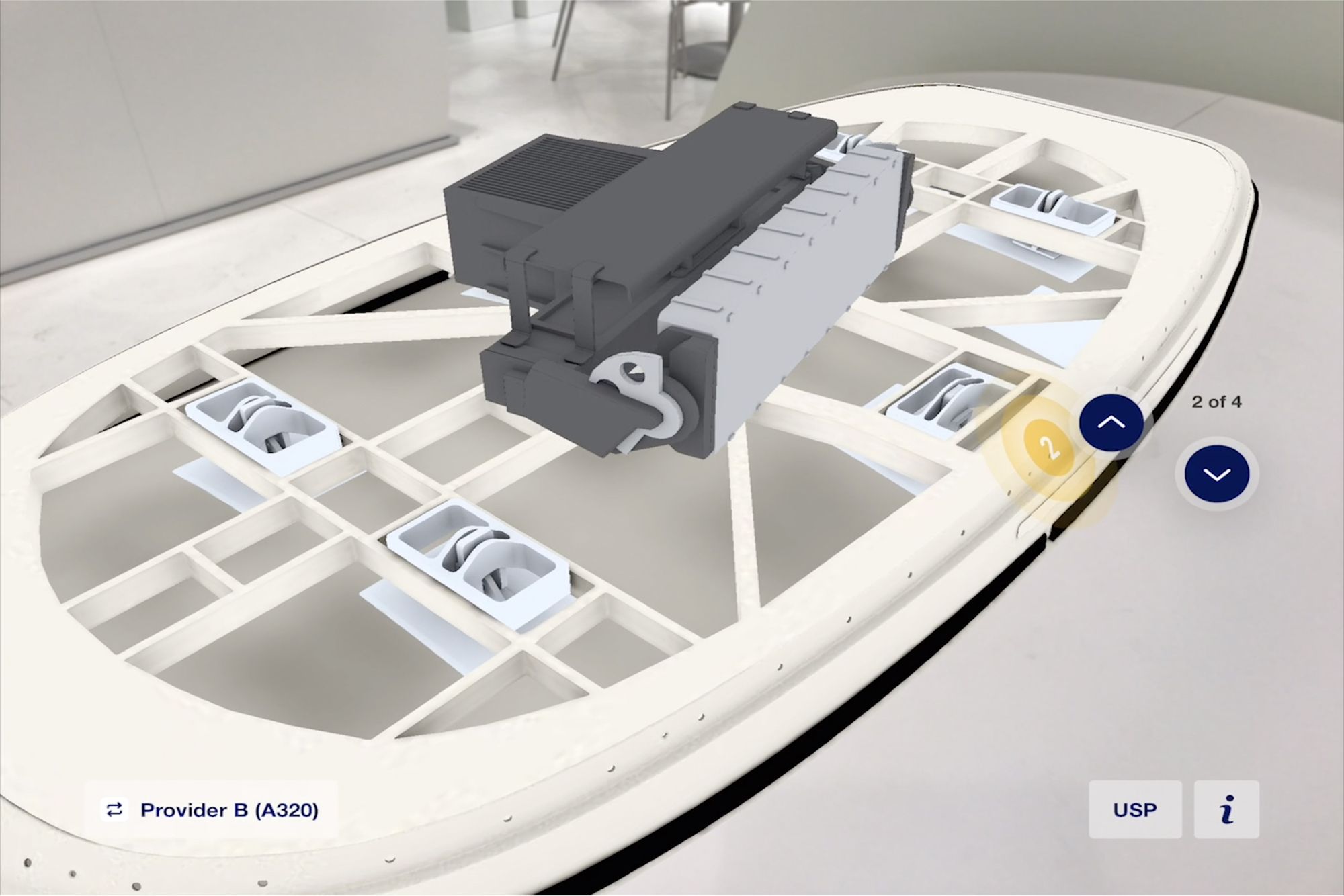
We developed a novel augmented reality application for trade fairs and Lufthansa Technik's international sales team that digitally brings a complex B2B product to life.
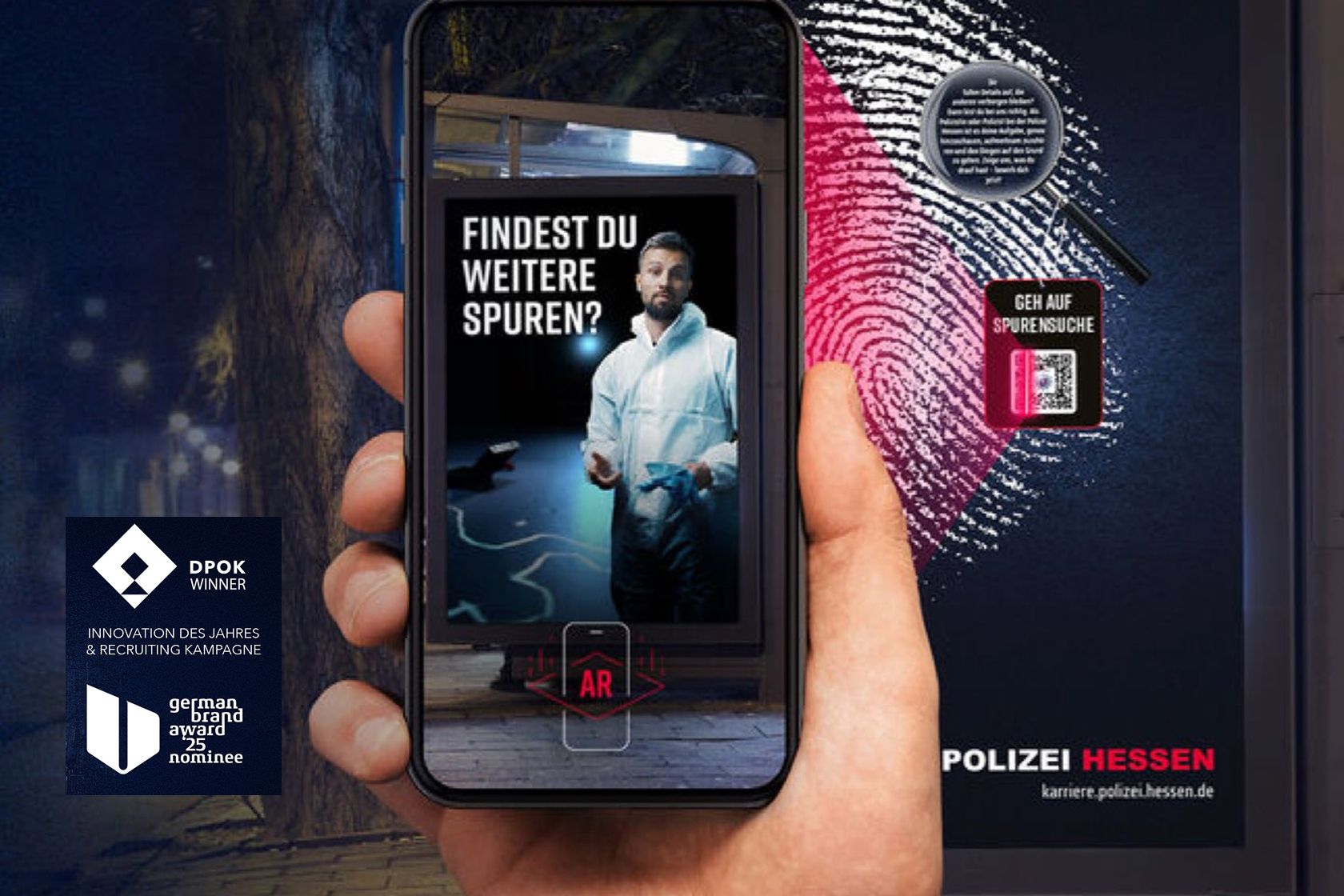
The Hesse Police's OOH campaign transforms Citylight posters into virtual, interactive crime scenes.

Augmented Reality in Modern Businesses
Augmented reality has rapidly evolved into an innovative, immersive form of media. When integrated into software, apps, or websites, this technology is impressive and helps companies achieve a variety of goals.
Take a look at our services and innovative solutions
- Consulting, ideas, concepts
- UI/UX design
- AR software development
- 3D modeling
- Photogrammetry
- Consulting and Strategy: Development of a customized AR concept, definition of the business case, and selection of appropriate technologies.
- Concept & Design: Storyboard, user flow, and art direction development for subsequent implementation.
- 3D Modeling & Content Creation: Creation or optimization of 3D visualizations, animations, and interactive elements for AR applications.
- Development and programming: Implementation of AR applications for various platforms, including smartphones, tablets, the web (WebAR), social media (e.g., Snapchat, TikTok, and Instagram), and special AR glasses (e.g., Apple Vision Pro).
- Testing and optimization: Multi-stage feedback and testing phases (alpha and beta) to ensure quality and user experience.
- Deployment and hosting: Publishing the application and, if necessary, hosting digital content.
- Support and further development: Ongoing support, updates, and enhancements after project completion.
As an augmented reality agency, we develop optimal AR solutions for our clients. Our team can handle the entire process, from concept to production, competently. We focus on developing applications for marketing, industry, e-commerce, and education. However, other applications are also possible. Augmented reality technologies offer virtually endless possibilities.
- Higher conversion rates through product visualization
- Better product understanding
- More efficient training
- Greater attention at trade shows
- Even large products are always on hand
That's why so many companies work with us
We combine industry know-how with technological excellence. We combine an in-depth understanding of industrial processes, marketing requirements, and user experience with expertise in augmented reality.
We develop customized AR solutions instead of standard apps. Every project starts with a clear definition of objectives. We develop customized XR experiences that complement existing processes, strengthen brands, and inspire customers.
We have a proven track record of successful projects with strong brands. Our clients include Lufthansa Technik, the Hesse Police, Swisslog, and Compleo, all of whom already rely on our solutions. Our projects exemplify quality, innovation, and measurable benefits.
We provide full service from conception to implementation. We offer everything from initial idea to 3D design, app development, testing, and maintenance from a single source.
We value transparent communication and partnership-based collaboration. We speak the same language: technically, economically, and honestly. There are no empty promises, only solutions that work.
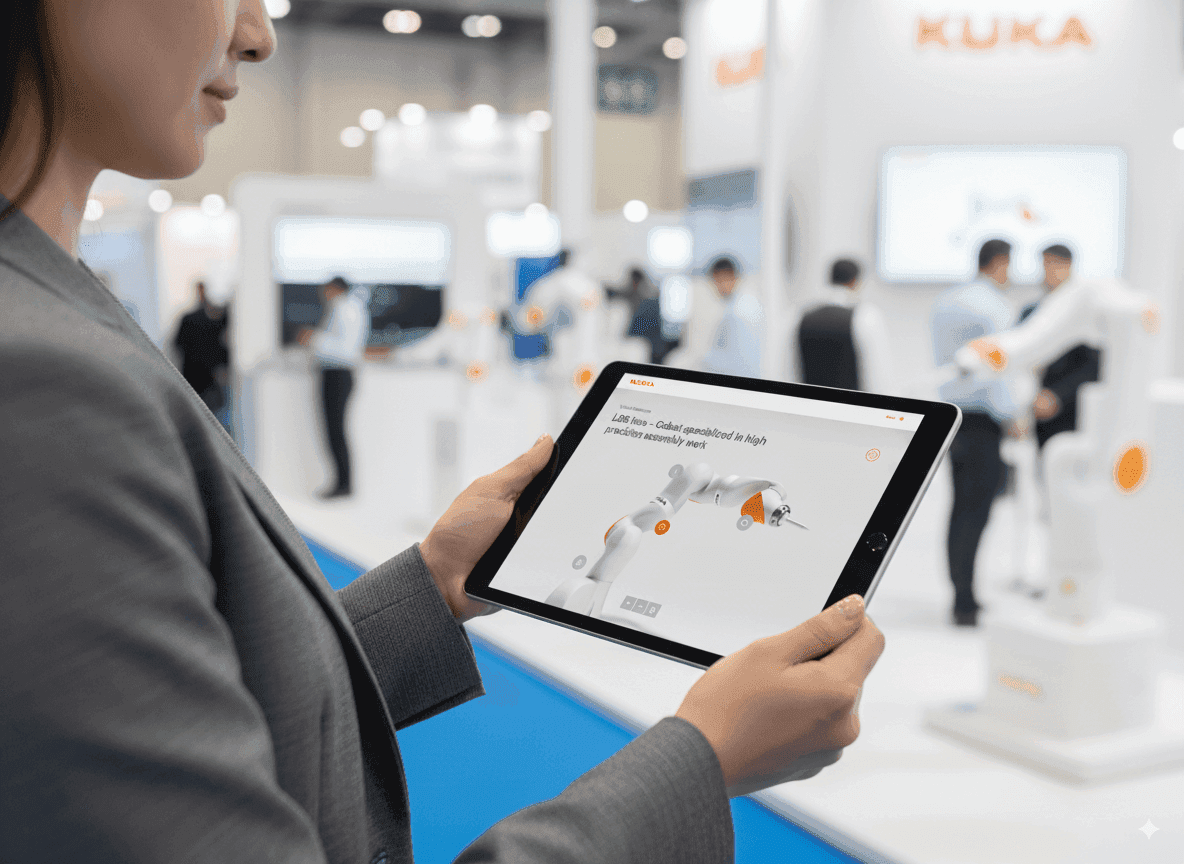
AR in Marketing & Sales
Augmented reality allows products and services to be presented in an engaging way, creating virtual experiences that boost sales. Interactive experiences in the form of modern apps or websites effectively provide a more realistic product presentation at trade show booths and are not perceived as intrusive advertising by users. Furthermore, many users view AR apps as offering significant added value. For this reason, AR marketing is particularly popular among customers and developers.
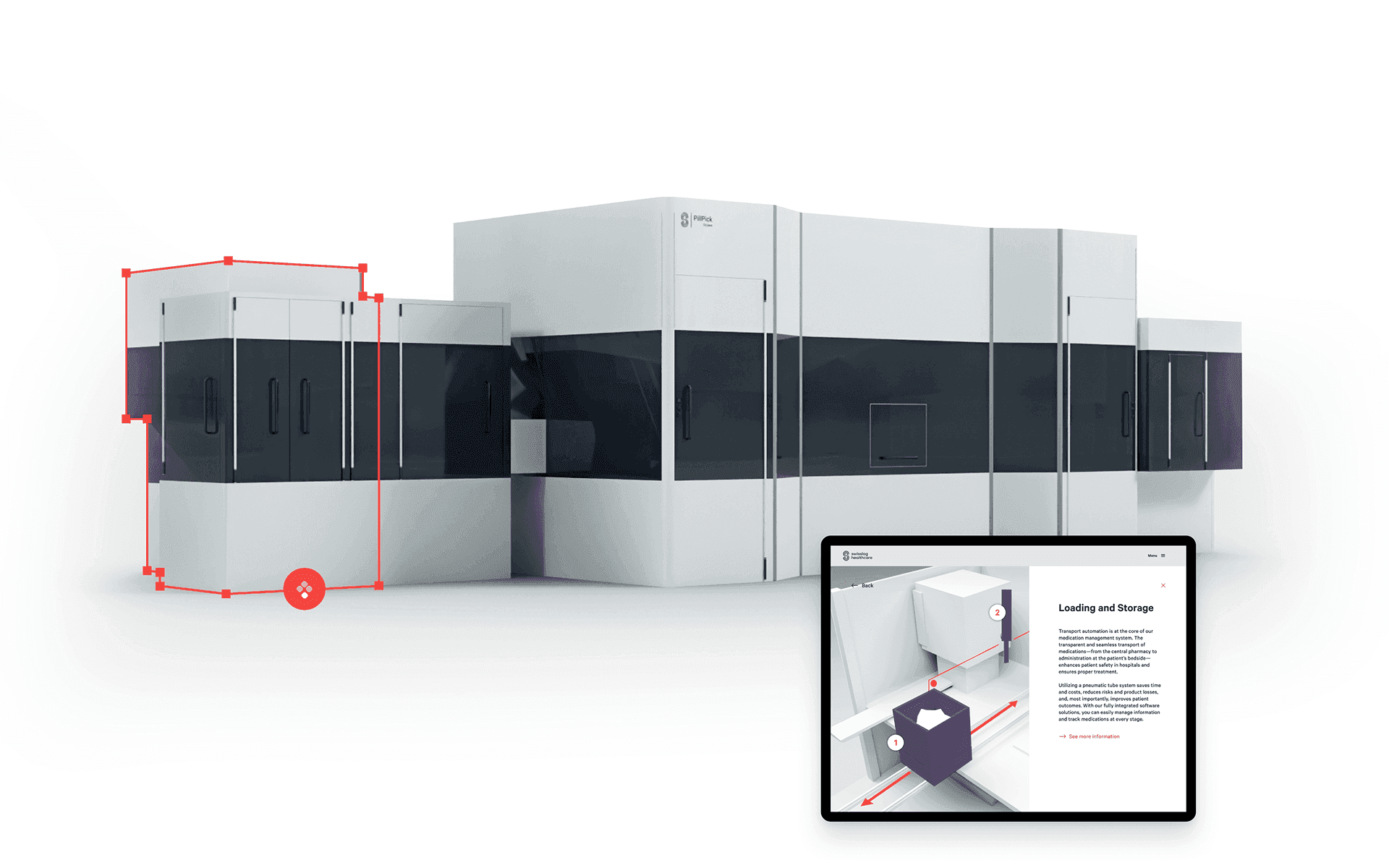
Augmented Reality in Industry 4.0
Augmented reality (AR) simplifies everyday industrial operations. It enables complex machines and systems to be presented virtually for sales and marketing purposes. Maintenance technicians receive step-by-step instructions directly at the component level, and production processes can be optimized by integrating AI and IoT data. These improvements lead to more efficient workflows, fewer errors, and a better understanding of technical systems.
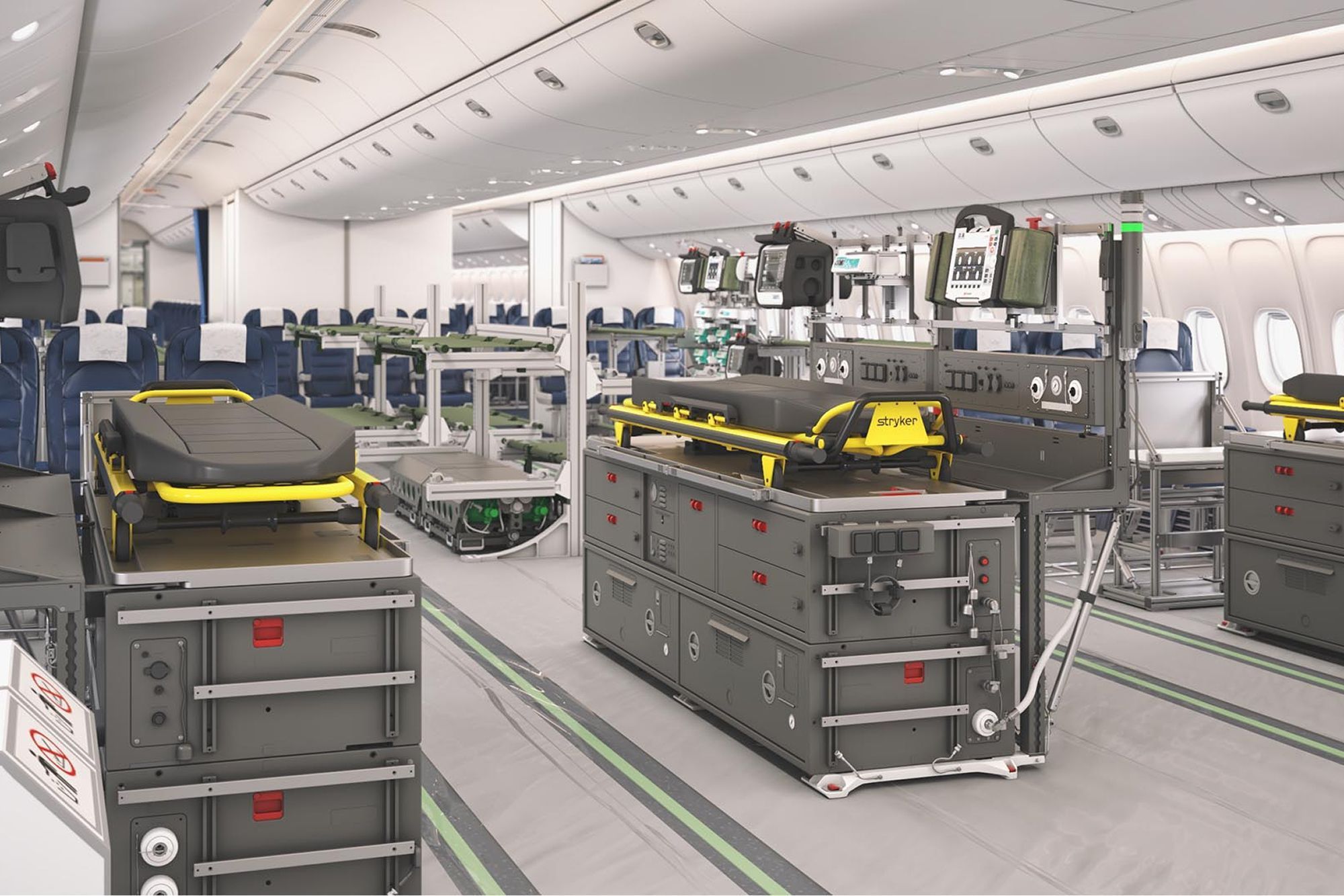
Virtual Showrooms & Digital Twins
Large systems and complex products can be difficult to transport to trade shows or client meetings. With virtual showrooms and digital twins, however, we can bring products anywhere. Customers can experience solutions at actual size, configure them interactively, and access all relevant information in real time. This reduces logistics costs, shortens sales cycles, and improves the quality of interactions.
An augmented reality (AR) agency creates digital experiences that superimpose images, 3D models, and information onto the real world. Marketers use these experiences to showcase products, bolster marketing campaigns with features like virtual fittings and AR configurators, and enhance customer engagement with brands. Smartphone apps or WebAR can access them directly in a browser.
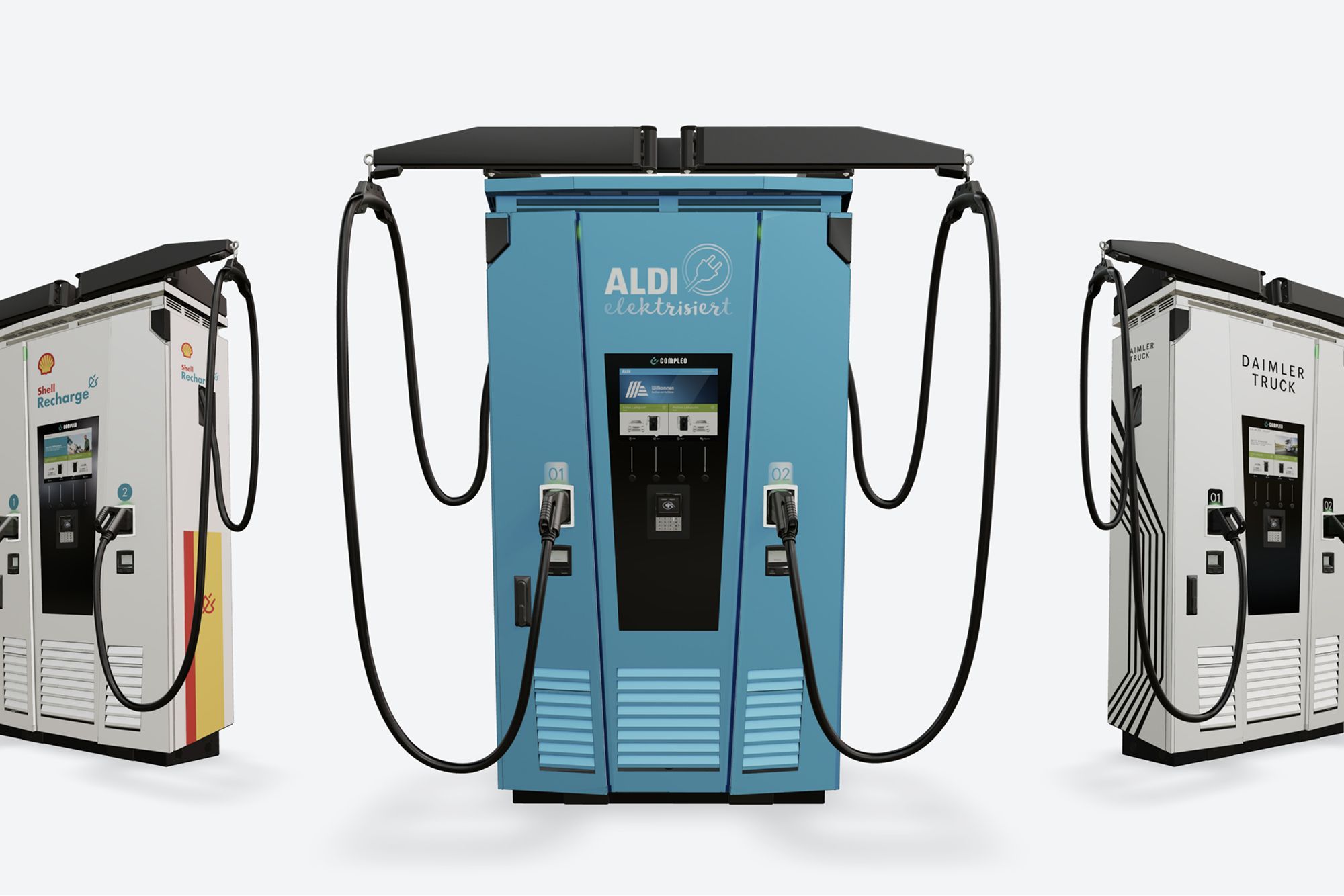
Augmented Reality Product Presentation for Sales
Development of virtual product twins, including configurable designs, to support sales activities and trade show appearances.
Read caseBenefits and features
Interactive 3D models
Explore and configure products in real time, from colors to variants. This makes complex products easy to understand, eliminating the need for physical prototypes.
Contextual information layers
Technical data, videos, and animated or holographic elements are displayed directly above the product's camera, precisely where they are most valuable.
Innovations at trade shows and events
At events such as IFA, hybrid setups are becoming the norm. Physical exhibits attract attention, and AR layers offer more in-depth product information and facilitate meaningful technical discussions.
Virtual try-before-you-buy
Customers can see how furniture or clothing looks in their own environment. This builds trust and increases customer loyalty while helping to reduce return rates.
For which companies is AR worthwhile?
Augmented reality (AR) has many applications and is therefore a viable option for a wide range of companies. For instance, the B2B sector primarily utilises it in marketing and sales to target specific audiences. This technology helps customers better understand products, thereby increasing revenue. In industry, AR enables mobile solutions for maintenance, repairs, and workplace safety.
The Spatial Studio focuses on B2B solutions, particularly in industry, mechanical engineering, and manufacturing. In these sectors, we provide innovative, compelling solutions for product presentation.
AR is particularly beneficial for:
- Products that require explanation
- Complex machines
- Large products
- Sales teams with visualization needs
- Do you have a vague idea for a project or a concrete vision for how you want to implement it?
- Do you have questions about the technology or its suitability for your project?
- Would you like to know if my team and I are the right partners for your project?
Augmented reality (AR) is the real-time use of digital enhancements, such as text, graphics, and audio, integrated into real-world objects. This information is often displayed on smartphones or tablets, but AR headsets are also frequently used.
It has many applications in modern society. Classic applications include marketing (content, storytelling, and events), where it is used to better visualize or explain products, and sales. AR is also frequently used for the maintenance of machines and technical equipment. For example, it allows maintenance technicians to display supporting information on the installation of complex technical components, which significantly simplifies the repair process and prevents errors.
A similar application approach can be found in medicine. Surgeons use real-time support information to perform operations faster and more efficiently and, above all, more safely.
AR also has useful applications in education and training. For example, it can expand content. This improves the experience and ensures faster absorption.
As a technical medium, augmented reality offers many advantages.
- Innovative product presentation and explanation
- Viewers can look inside products or systems via overlays
- Visualization of functions and processes (e.g., water cycles in pumps)
- Visualization of invisible elements (e.g., air currents, sound waves)
- Interactive storytelling for greater user-friendliness
When combined with deep learning algorithms, objects, such as products or technical components, can be recognized and marked graphically.
Augmented reality (AR) allows digital elements to be added to a live view. This is often done using the camera on a smartphone, but also through the use of AR headsets. Primary areas of application are marketing and sales, maintenance, and medical technology.
Virtual reality (VR) creates a more immersive experience that completely excludes the physical world. With the help of VR devices such as HTC Vive, Oculus Quest 2, or Google Cardboard, users can be transported to a range of real and imaginary environments, such as the middle of a penguin colony or their future home. The main areas of application are in visualization (e.g., architecture and product development), training, and entertainment/gaming.
Mixed reality is a blend of physical and virtual worlds that includes both real and computer-generated objects. This approach combines aspects of virtual reality (VR) and augmented reality (AR). It is sometimes referred to as “extended” AR because it is similar to AR technology but offers more physical interaction.
The term extended reality (XR) is used as an umbrella term for the fields explained here. Other exciting terms related to this are hologram and immersive media.
WebAR stands for web-based augmented reality. This technology is based on international standards, so users only need to navigate to a website URL to access an augmented reality display. There is no need for cumbersome app downloads, which has many advantages for users, developers, and designers.
This blog article on the WebXR standard provides a brief introduction to this technology without app installation.
In augmented reality, they refer to a variety of image recognition techniques that determine the position of the viewer or their display device in space.
These methods allow visual information to be superimposed based on the determined spatial position. Common tracking methods identify an object in space using cameras or determine its position using auxiliary parameters.
Examples of visual tracking:
- Marker-based tracking in 2D (photo or graphic)
- 3D object recognition (e.g., shapes, 3D prints, and models)
Examples of non-visual tracking include:
- Position determination via GPS signal (relatively inaccurate)
- Position determination via device sensors (gyroscope, accelerometer, etc.)
- Position determination via external sensors, such as radio beacons
Furthermore, tracking methods are often combined to improve reliability. One example is SLAM tracking, which recognizes horizontal or vertical planes in the image (e.g., floors, walls, and table surfaces) and simultaneously queries the position, orientation, and movement of the viewer based on sensor data from the user device.
Our services are highly customized and tailored to the requirements of each project. Sometimes, we act more like an advertising agency for brands. Other times, we focus more on developing and programming applications and apps. As a digital agency, we specialize in providing finished solutions that help companies grow.
That depends greatly on the project. Many applications can be used with an iOS or Android smartphone, and thanks to webAR, they don't require any additional installations (i.e., no app).
Absolutely. We either design products in line with corporate design or develop customized solutions according to customer specifications.
The short answer is no. Glasses like Microsoft's HoloLens aren't necessary. Virtual reality, on the other hand, requires a headset. On the other hand, augmented reality applications can be used with a smartphone or tablet.
However, the long answer is that it depends on the development's goal. For marketing campaigns, for example, it makes sense to make the application accessible via smartphone. This way, you can reach the most users. However, if an application is being developed for use during machine installation, a headset is mandatory because the user needs both hands to work.
We work with all common platforms and frameworks, including vZone, which we developed ourselves. We create applications for iOS and Android, and we can develop apps for other systems as well. We specialize in developing applications that do not require installation and can be used directly in a browser. Smartphones and tablets are usually the devices of choice (not headsets such as the HoloLens).
We begin every development process with a brief conversation to discuss your ideas and define the scope of your project. Then, we will be happy to provide you with a customized quote for implementation. First, our experts will create a concept and define the exact development process. We prioritize communication, so you, as our customer, are involved every step of the way—from the concept to the design to testing the application. Interested? Get in touch with us via email or phone today.
- First, define your requirements: First, determine which tasks the AR solution should perform, such as virtual product presentations, employee training, or interactive experiences.
- Research agencies: Suitable agencies can be found using search engines with queries such as “AR agency Berlin”, “augmented reality app development” or “AR marketing agency”.
- Obtain quotes: Contact several agencies to arrange individual consultations. During these consultations, you can discuss your idea and develop initial conceptual approaches.
- Check specialisation: It is important to check whether the agency has relevant experience in the field of the application in question, such as e-commerce, training, or events.
The cost of augmented reality typically ranges from $5,000 to $25,000 for simple applications, depending on the scope of the project. However, complex and custom-developed solutions can be significantly pricier, as features, realism, data sources, and the provider can greatly impact the price.
Find out more: Augmented Reality Cost
In the field of interior design, customers can use augmented reality to see how furniture pieces will look in their rooms and how much space they will take up. By projecting a 3D model of the desired sofa, bookshelf, or dining table into the room via a smartphone camera, customers can realistically assess the proportions and colors. This helps them make better purchasing decisions and gives them confidence.